
Understanding the Role of TV Event Nights in Entertainment
TV event nights are reshaping how people experience television. Whole families and millions of viewers now tune in at the same moment for these unique broadcasts. But surprise, this is not just about watching together. With award shows pulling in over 10 million live viewers for a single night and social media conversations erupting in real time, these events do more than fill seats. They spark instant cultural moments that everyone remembers and talks about for months.
Table of Contents
- What Are TV Event Nights And Their Format?
- Why TV Event Nights Matter To Audiences And Networks
- How TV Event Nights Shape Cultural Moments
- The Impact Of Streaming On TV Event Nights
- Key Trends And Future Of TV Event Nights
Quick Summary
| Takeaway | Explanation |
|---|---|
| TV event nights create cultural moments | These broadcasts transform individual viewing into shared experiences, reflecting societal narratives and emotions. |
| Strategic advantages for networks | Networks leverage event nights for higher advertising revenue and stronger viewer loyalty, impacting overall brand engagement. |
| Streaming reshapes viewing habits | On-demand access from streaming platforms allows personalized consumption, altering how audiences engage with TV events. |
| Audience participation is essential | Interactive elements enhance viewer engagement, allowing real-time commentary and digital interactions during broadcasts. |
| Emerging technologies redefine events | Innovations like AR and AI offer immersive experiences, fundamentally changing how audiences interact and connect with content. |
What are TV Event Nights and Their Format?
TV event nights represent a strategic programming approach where networks create specialized viewing experiences designed to captivate audiences through unique, high-stakes entertainment. These carefully curated broadcast moments transcend typical television programming by offering viewers something extraordinary and memorable.
Understanding the Core Concept
At its essence, a TV event night is a planned broadcast that transforms traditional viewing into a shared cultural experience. Unlike regular episodic television, these nights are characterized by their one-time or limited-time nature, creating anticipation and excitement among viewers. They often feature special programming such as award shows, season finale events, live performances, or significant narrative moments in popular series.
These events strategically leverage several key elements:
- High-profile talent or celebrity appearances
- Unique narrative storytelling
- Limited availability or exclusive content
- Interactive audience engagement opportunities
Types of TV Event Nights
TV event nights come in multiple formats, each serving different entertainment objectives. Network television programming plays a crucial role in developing these experiences. Some prominent categories include:
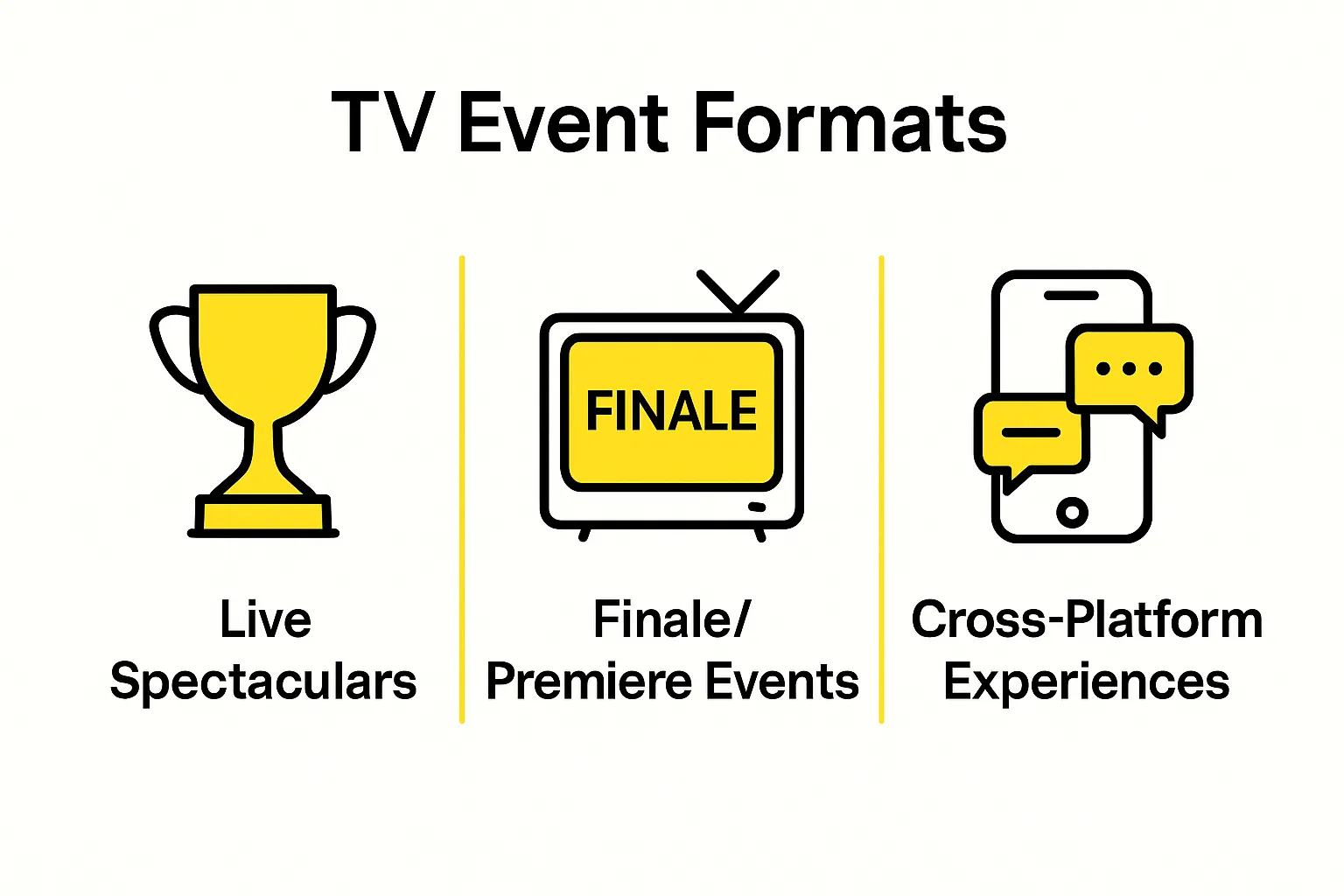
Live Spectaculars: These involve real-time broadcasts with immediate audience interaction, such as award shows, live musical performances, or special sporting events. The unpredictability and immediacy create a sense of collective viewing experience.
Finale and Premiere Events: Networks strategically schedule major series conclusions or initial episodes as significant viewing moments. These events generate massive audience engagement, with fans gathering to witness pivotal plot developments simultaneously.
Cross-Platform Experiences: Modern TV event nights increasingly incorporate digital and social media elements, allowing viewers to participate through live commentary, voting, or interactive online components. This multi-platform approach transforms passive viewing into an immersive, communal experience.
By creating these specialized programming moments, networks transform television from a solitary activity into a shared cultural phenomenon, reconnecting audiences in an increasingly fragmented media landscape.
Below is a comparison table outlining the main types of TV event nights, summarizing their characteristics and audience engagement focus for easier understanding.
| Type of TV Event Night | Description | Audience Engagement Focus |
|---|---|---|
| Live Spectaculars | Real-time broadcasts featuring live performances or sports events | Immediate collective viewing, unpredictability |
| Finale and Premiere Events | Major series debuts or conclusions with high-stakes plot moments | Anticipation, group viewing, fandoms |
| Cross-Platform Experiences | Events integrating digital/social interaction and multi-platform content | Interactive participation, social commentary |
Why TV Event Nights Matter to Audiences and Networks
TV event nights are far more than simple entertainment broadcasts they represent strategic tools that simultaneously serve the interests of audiences and networks through complex psychological and economic mechanisms. These carefully orchestrated experiences generate value across multiple dimensions of media consumption.
Audience Psychological Engagement
For viewers, TV event nights fulfill profound social and emotional needs. Shared viewing experiences transform television from a solitary activity into a collective cultural moment. Audiences crave connection these events provide opportunities to simultaneously experience narratives with millions of other viewers, creating a sense of community and shared excitement.
Key psychological motivators include:
- Creating social conversation topics
- Generating collective emotional experiences
- Providing communal cultural touchstones
- Offering temporary escape from individual routines
Economic and Strategic Network Objectives
Networks design these events with precise financial and strategic considerations. TV ratings for networks demonstrate the substantial impact of these programming strategies. Event nights represent opportunities to:
Maximize Advertising Revenue: By creating high-engagement moments, networks can charge premium rates for commercial slots during these broadcasts. The concentrated audience attention makes these time slots exponentially more valuable than standard programming.
Build Brand Loyalty: Memorable event nights strengthen audience connections with specific networks or streaming platforms. When viewers experience exceptional content, they develop deeper emotional investments in the brand.
Competitive Differentiation: In an increasingly fragmented media landscape, unique event nights become critical strategies for standing out. Networks compete not just on content quality, but on their ability to create extraordinary viewing experiences.
Ultimately, TV event nights represent a sophisticated ecosystem where audience entertainment needs and network business objectives beautifully converge, transforming television from a passive medium into an interactive, emotionally resonant experience.
This table highlights key psychological motivators for audiences and strategic network objectives behind TV event nights, allowing for a side-by-side comparison of their dual impact.
| Audience Psychological Motivators | Network Strategic Objectives |
|---|---|
| Creating social conversation topics | Maximizing advertising revenue |
| Generating collective emotional experiences | Building brand loyalty |
| Providing communal cultural touchstones | Competitive differentiation |
| Offering temporary escape from routines | Enhancing overall audience engagement |
How TV Event Nights Shape Cultural Moments
TV event nights have emerged as powerful catalysts in contemporary cultural discourse, transcending traditional entertainment boundaries to become significant societal touchstones. These broadcasts do more than simply entertain they actively construct and reflect collective social narratives and shared experiences.
Narrative and Social Commentary
Cultural storytelling through television has become a sophisticated mechanism for exploring complex social themes. TV event nights provide platforms for narratives that challenge societal norms, spark critical conversations, and represent diverse perspectives. By creating moments of national or global simultaneity, these broadcasts transform isolated viewing experiences into collective intellectual and emotional journeys.
Key cultural impact mechanisms include:
- Introducing marginalized perspectives
- Challenging existing social narratives
- Creating shared emotional experiences
- Facilitating cross-cultural understanding
Memetic and Social Media Amplification
Modern TV event nights are intrinsically linked with digital communication platforms. Live TV experiences now extend far beyond traditional broadcast mediums, generating instantaneous global conversations. Viewers simultaneously consume content and create meta-narratives through real-time social media commentary, memes, and digital interactions.
This digital amplification transforms TV events from passive entertainment into dynamic, interactive cultural experiences. Moments from broadcasts rapidly circulate across global digital networks, creating instantaneous cultural reference points that transcend geographical and demographic boundaries.
Historical and Archival Significance
Beyond immediate social impact, TV event nights serve as critical historical documents. They capture zeitgeist moments, preserving cultural attitudes, technological capabilities, and societal transformations. Future historians and researchers will likely study these broadcasts as nuanced representations of specific cultural periods, offering insights into social dynamics, technological developments, and collective psychological states.
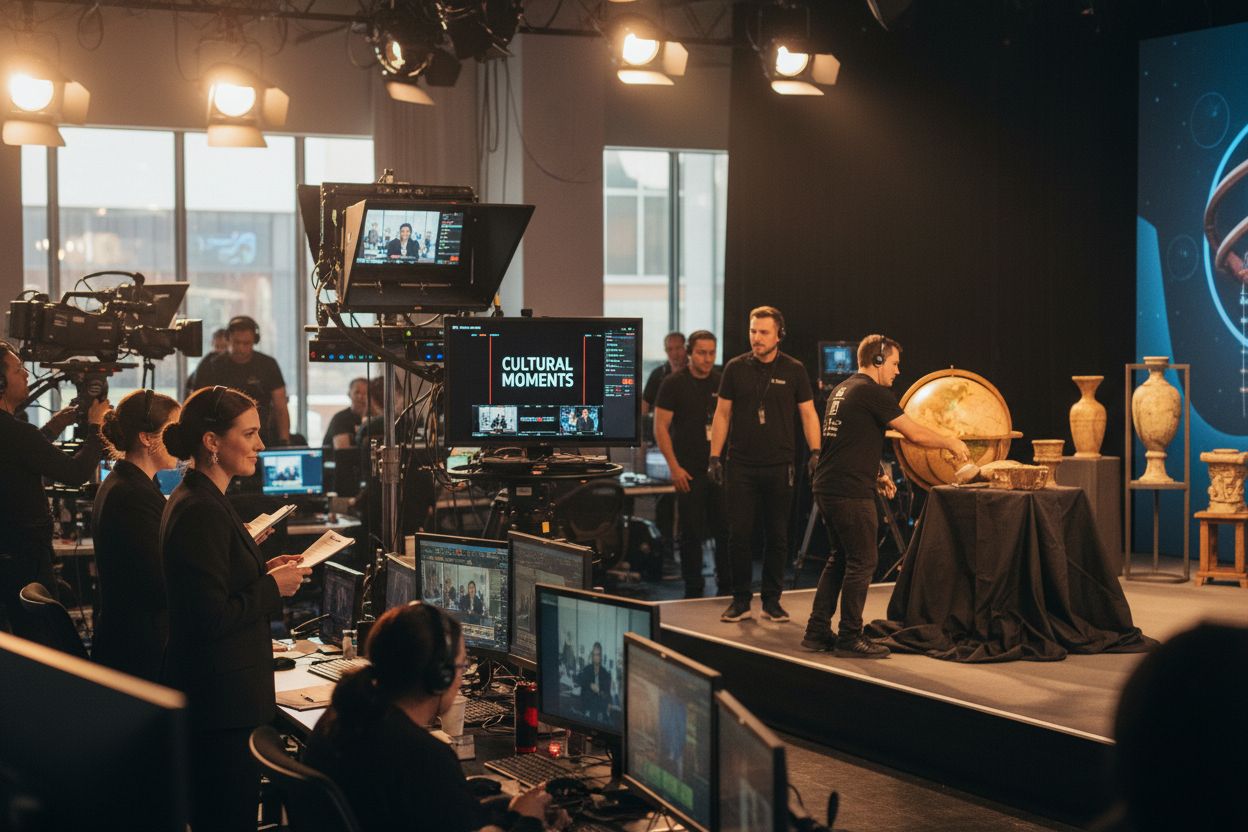
Ultimately, TV event nights represent more than entertainment they are complex social technologies that simultaneously reflect and shape our collective cultural consciousness, bridging individual experiences into shared narratives.
The Impact of Streaming on TV Event Nights
Streaming platforms have fundamentally transformed the landscape of television event experiences, introducing unprecedented flexibility and personalization that challenge traditional broadcast models. This digital revolution has reshaped how audiences consume and interact with entertainment content.
Disrupting Traditional Viewing Patterns
Streaming technology has dismantled conventional time constraints associated with TV event nights.
Unlike traditional network schedules, streaming platforms enable viewers to access content on-demand, creating a paradigm shift in collective viewing experiences. The future of TV increasingly revolves around personalized consumption rather than synchronized broadcasting.
Key transformative elements include:
- Eliminating geographic viewing restrictions
- Providing global simultaneous access
- Allowing individual pace of content consumption
- Creating personalized viewing schedules
Interactive and Immersive Experiences
Modern streaming platforms have evolved beyond passive content delivery. They now integrate interactive features that enhance traditional TV event night concepts. Viewers can engage through real-time commentary, parallel social media experiences, and integrated fan communities that extend beyond single broadcast moments.
Algorithmic personalization has become a critical component of these new viewing experiences. Streaming services use sophisticated data analytics to recommend content, predict viewer preferences, and create targeted event night experiences that feel uniquely tailored to individual tastes.
Economic and Production Implications
The streaming revolution has profound implications for content production and distribution. Traditional network models are being compelled to adapt to these new technological realities. Streaming platforms now invest heavily in original content, creating high-production value “event” series designed to generate global buzz and retain subscriber engagement.
This shift represents more than a technological change it signifies a fundamental reimagining of how entertainment is conceptualized, produced, and consumed. Streaming platforms are not just alternative distribution channels they are becoming primary creators of cultural narratives and shared experiences.
Key Trends and Future of TV Event Nights
The television landscape is undergoing profound transformation, with TV event nights evolving to meet changing audience expectations and technological capabilities. As digital platforms and viewer behaviors shift, these broadcasting moments are becoming increasingly sophisticated and interconnected.
Technological Innovation and Audience Engagement
Emerging technologies are redefining the boundaries of TV event nights. Virtual and augmented reality, artificial intelligence, and interactive platforms are creating unprecedented opportunities for immersive viewing experiences. Live events network revenue increasingly depends on these innovative engagement strategies that blur traditional entertainment consumption models.
Key technological trends include:
- Real-time audience participation mechanisms
- Personalized content recommendation algorithms
- Multi-platform synchronous viewing experiences
- Enhanced interactive storytelling techniques
Global and Cross-Platform Convergence
The future of TV event nights transcends traditional broadcast boundaries. According to research from Oxford’s Reuters Institute, the next generation of entertainment will prioritize seamless cross-platform experiences that allow viewers to engage simultaneously across multiple digital environments.
Hyper-personalization will become a critical strategy. Networks and streaming platforms will leverage advanced data analytics to create uniquely tailored event experiences that feel simultaneously mass-market and individually curated.
Sociocultural Connectivity
TV event nights are evolving from passive entertainment into active social platforms. Future broadcasts will increasingly function as global conversation catalysts, creating shared cultural moments that transcend geographical and demographic boundaries. These events will serve not just as entertainment but as critical social infrastructure for collective emotional and intellectual experiences.
The transformation represents more than technological innovation it signals a fundamental reimagining of how human beings connect, communicate, and share collective narratives in an increasingly digital world.
Never Miss a TV Event Night Again – Get Ahead With Sparetimetv.com
Are you tired of scrambling to catch big TV event nights just to realize you missed that season finale, live performance, or trending streaming premiere? This article reveals how TV event nights shape culture and create bonding moments. The excitement quickly fades, however, if you do not have the right guide at your fingertips. Sparetimetv.com solves this by delivering accurate TV guides and schedules for both network and streaming, helping you join every cultural conversation on time.

Stay connected with top-rated shows, live events, and new releases as soon as they air. Visit Sparetimetv.com to browse featured series, discover premiere dates, and access trending lists updated daily. Never miss another moment—explore the most comprehensive entertainment guide now, and always be part of the event.
Frequently Asked Questions
What are TV event nights?
TV event nights are specialized programming blocks that create unique viewing experiences, often characterized by one-time broadcasts, high-profile talent, and interactive audience engagement.
Why are TV event nights important for networks?
TV event nights generate significant advertising revenue by attracting large audiences, build brand loyalty, and help networks differentiate themselves in a competitive media landscape.
How do TV event nights impact audience engagement?
These events create shared cultural experiences that fulfill social and emotional needs, allowing viewers to participate in collective viewing moments, generating conversation, and fostering community.
What role does streaming play in the evolution of TV event nights?
Streaming has transformed TV event nights by allowing flexibility in viewing, introducing interactive features, and enabling on-demand access, which reshapes how audiences consume and engage with content.